The earliest pottery discovered dates back to the Neolithic Age, with a history of approximately 18,000 years.
During the Neolithic Age, representative types of pottery included gray pottery, red pottery, painted pottery, and black pottery.
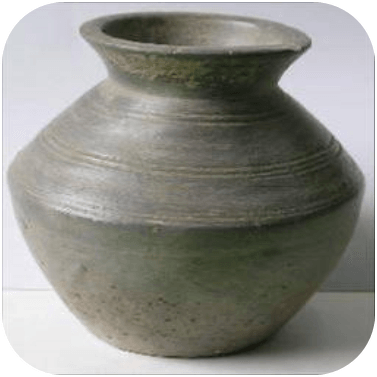
Gray pottery is so named because the clay used contains iron, which turns gray after reduction during firing.
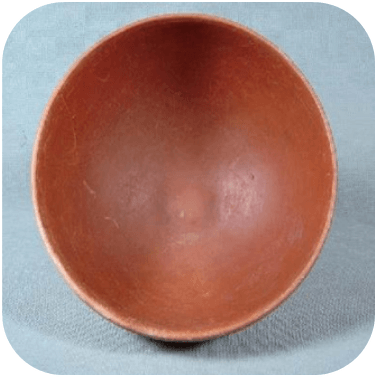
Red pottery, a type of Neolithic pottery dating back over 8,000 years, derives its name from the iron content in the clay. When fired, the iron oxidizes into ferric oxide (Fe₂O₃), giving the pottery its characteristic earthy red, brick-red, or reddish-brown color.
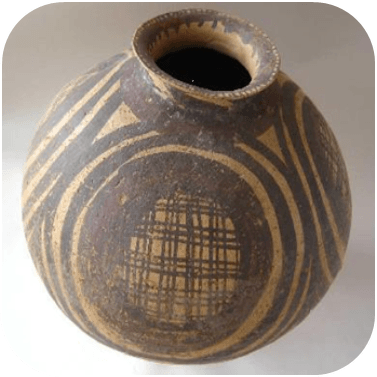
Painted pottery, dating back over 7,000 years, is characterized by intricate designs painted on unfired clay vessels using pigments such as ochre, red, and black. After firing, these colorful patterns become permanently bonded to the surface without fading or peeling. Some pieces feature a white slip coating applied before painting, which enhances the vibrancy and contrast of the decorative motifs.
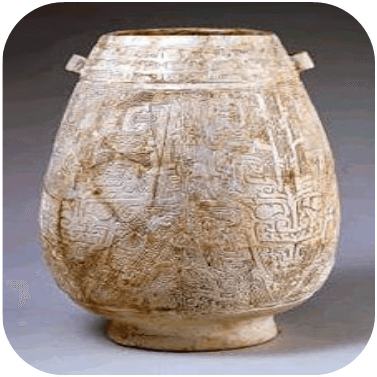
White pottery is a type of ceramic made from kaolin or porcelain clay with low iron content, fired at temperatures around 1000°C.