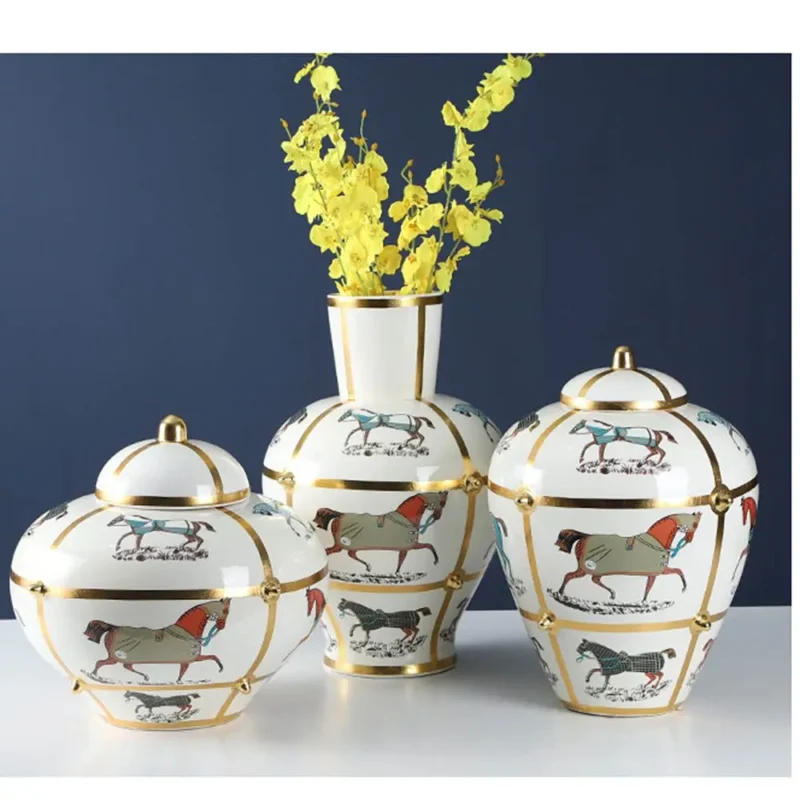


Ceramic vases, as both an art form and a daily-use item, have a long and rich history that spans across different cultures and time periods. In both ancient and modern times, ceramic vases and ceramic products have served multiple purposes and carried various symbolic meanings. Below, I’ll explore these aspects from historical, cultural, and modern perspectives.
Ceramic Vases and Ceramics in Ancient History
- China:
- Uses: Ceramic products have a long history in China, especially ceramic vases. The earliest ceramics date back to the Neolithic period, while ceramic vases became prominent during the Tang and Song dynasties. In ancient China, ceramic vases were often exclusive to the upper classes and royalty, used both for daily life (such as flower arrangement) and for religious or ancestor worship rituals.
- Symbolism: In ancient China, ceramics often symbolized nobility, taste, and cultural refinement. For example, during the Song Dynasty, “Ge kiln” ceramics were highly prized for their beautiful glaze and fine craftsmanship, with ceramic vases serving as symbols of status and wealth.
- Ancient Greece and Rome:
- Uses: In ancient Greece and Rome, ceramics were primarily used for storing liquids (like wine or oil) and food, and often served as everyday utensils. Though these cultures primarily used ceramic vessels for practical purposes, the decorative and artistic value was also significant. Many vases featured scenes depicting mythology, warfare, or daily life.
- Symbolism: In ancient Greece, particularly in Athens, fine ceramic vessels were not only utilitarian but also represented the cultural pride and artistic skill of a city. The patterns on vases often conveyed respect for the gods or indicated social status.
- Ancient Egypt:
- Uses: In Egypt, ceramic vessels were frequently used for religious rituals, as well as for storing food and drink. Ceramic vases or jars were often used during funerary rites, to hold offerings, incense, or liquids for the deceased.
- Symbolism: These ceramics were not only practical but also rich in religious and cultural symbolism, often associated with worshipping the gods or preparing for the afterlife.
Ceramics from the Middle Ages to Modern Times
- Europe:
- Uses: In medieval Europe, ceramic vases were mostly decorative, especially in noble households. Ceramic craftsmanship reached new heights during the Renaissance, with places like Florence in Italy and the Netherlands producing ceramics that were not only functional but also works of art displayed in palaces and churches.
- Symbolism: In Europe, finely crafted ceramics often symbolized wealth and status. In 17th-century Holland, ceramic vases were not only decorative but also a symbol of social standing for the nobility and wealthy merchants.
- China during the Ming and Qing Dynasties:
- Uses: During the Ming and Qing Dynasties, ceramic vases became important collector’s items and display pieces for royalty and intellectuals. Royal ceramics, such as “blue and white porcelain,” were used for daily life, diplomacy, and as precious gifts or cultural treasures.
- Symbolism: These ceramics represented the flourishing of imperial power and cultural sophistication. Qing Dynasty’s “Kangxi blue-and-white porcelain” is considered one of the peak examples of ceramic art, and owning such pieces symbolized the wealth and cultural esteem of the owner.
Modern Ceramics and Their Use Today
- Contemporary Home Décor and Artistic Expression:
- Uses: In today’s world, ceramic vases are often used as decorative pieces in modern homes, enhancing spaces such as living rooms and studies. Their primary function is aesthetic, both in terms of display and flower arrangement.
- Symbolism: Modern people buy ceramic vases not only for their beauty but also to showcase their taste and cultural sophistication. Ceramics with historical or artistic value, such as antique porcelain or limited-edition pieces, are often seen as symbols of investment and wealth.
- Ceramic Vases and Modern Design:
- Uses: Modern designers also incorporate ceramic vases into their creative work, making them an important part of contemporary art. Many ceramic pieces are now less about practicality and more about artistic innovation and visual impact.
- Symbolism: In the modern world, ceramic vases take on a multifaceted meaning, not only symbolizing elegance and refinement but also reflecting social concerns, such as sustainability. Modern ceramic art often comments on society and expresses cultural reflections.
From ancient times to the present, ceramic vases and ceramics have carried rich cultural and social meanings across human history. In the past, they were primarily used for daily life and religious rituals while also serving as symbols of social class and cultural identity. Today, their role has shifted towards expressing aesthetic values, investment potential, and artistic innovation. Modern people purchase ceramic vases not only for decoration but also to express their pursuit of history, culture, and art.