


Polyurethane Wear Parts Manufacturer – Custom PU Casting Solutions
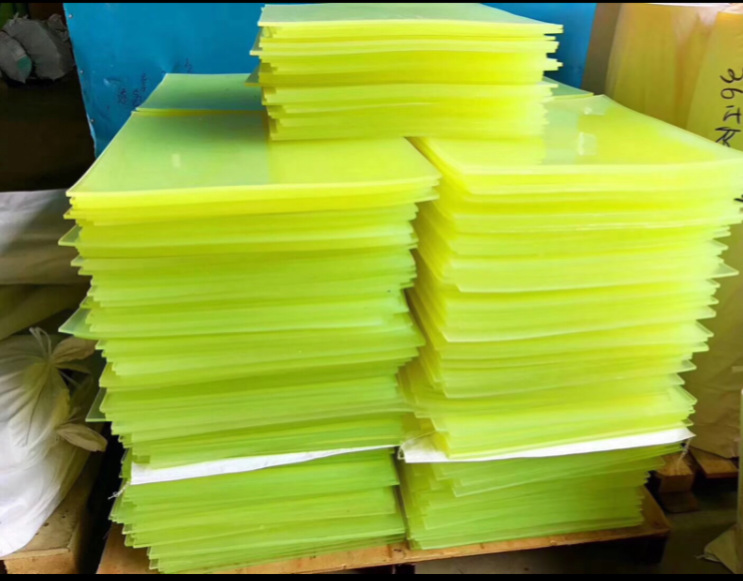
Polyurethane (PU) wear-resistant materials are functional materials primarily based on polyurethane elastomers. They utilize their excellent wear resistance, high elasticity, and strength to resist friction, impact, and erosion. Among various polymer materials, polyurethane exhibits outstanding wear resistance, typically about 3 to 10 times that of natural rubber, earning it the title of “wear-resistant champion.”
Core Characteristics
The primary reason polyurethane excels as a wear-resistant material is its unique microphase separation structure (composed of soft and hard segments). This structure gives it the following combined properties:
- Extremely High Wear Resistance:This is its most significant advantage. Under the same abrasion conditions, its volume loss is far lower than that of metals (such as cast steel), rubber, and plastics. It resists not only sliding friction but also impact wear and erosion wear.
- High Load-Bearing Capacity and Tear Resistance:Polyurethane has a very wide hardness range (from Shore A 10 to Shore D 85) and maintains good elasticity even at high hardness. It has higher tensile strength and tear strength than ordinary rubber.
- Oil and Chemical Resistance:It offers good resistance to mineral oils, fuel oils, ozone, and aging, making it more suitable for harsh operating conditions than ordinary rubber.
- Excellent Low-Temperature Performance:In low-temperature environments (e.g., -20°C or even -40°C), polyurethane maintains good flexibility and wear resistance and does not become brittle like ordinary rubber.
- Vibration Absorption and Noise Reduction:With high elasticity and damping characteristics, it can effectively absorb impact forces and reduce noise.
Main Types
Based on chemical structure and processing methods, polyurethane wear-resistant materials are mainly divided into three types:
- CPU (Cast Polyurethane)
- Currently the most widely used type. It is formed by pouring liquid raw materials into a mold for curing.
- Advantages:High molecular weight, offering the best mechanical properties and wear resistance among the three, suitable for manufacturing large, complex, or thick-walled products.
- Applications:Screen decks for heavy equipment, cyclone liners, large rollers, solid tires.
- TPU (Thermoplastic Polyurethane)
- Processed using plastic processing methods (injection molding, extrusion) and is recyclable.
- Advantages:Fast processing speed, high production efficiency, high product precision.
- Disadvantages:Heat resistance and load-bearing capacity are slightly lower than CPU.
- Applications:Shoe soles, conveyor belts, cable sheathing, precision components, phone cases.
- MPU (Millable Polyurethane)
- Similar to rubber processing technology, requiring mixing and vulcanization on an open mill.
- Advantages:Relatively better high-temperature resistance, suitable for certain special working conditions.
Typical Application Fields
Polyurethane wear-resistant materials are often used to replace metals, rubber, or nylon to extend equipment life:
- Mining and Metallurgical Industry:
- Screen Decks and Liners:Used in vibrating screens. They are wear-resistant, sound-absorbing, not prone to clogging, and have a lifespan 2-5 times that of manganese steel.
- Hydrocyclones:Utilizing their wear resistance to handle mineral slurry, the service life of liners is significantly longer than that of ceramic or cast iron.
- Conveyor Belts:Especially impact-resistant and tear-resistant conveyor belts.
- Machinery and Equipment:
- Rollers:Such as printing rollers, paper machine rollers, steel mill rollers, combining high wear resistance with high precision.
- Seals:Used in high-pressure hydraulic systems, offering wear resistance and oil resistance.
- Fluid Handling:
- Pipe Liners:Used for transporting mud and tailings containing solid particles, several times more wear-resistant than steel pipes.
- Pump Flow Components:Such as impellers and casings, suitable for conveying sand-laden water or slurry.
- Other Civilian and Industrial Uses:
- Elevator Rollers:Wear-resistant and operate quietly.
- Casters:Used for forklifts and storage equipment, offering high load capacity without damaging floors.
- Sports and Electronics:Ski base layers, high-quality shoe soles (TPU), smartwatch bands.
- Comparison with Other Materials
| Characteristic | Polyurethane | Ordinary Rubber | Metal (Steel) | Nylon/PE |
| Wear Resistance | Excellent | Good | Fair | Fair / Good |
| Oil Resistance | Excellent | Poor | Excellent | Excellent |
| Load Capacity | Excellent | Poor | Excellent | Fair |
| Heat Resistance | Fair (< 80-100°C) | Fair | Excellent (> 300°C) | Fair |
| Noise | Low | Low | High | Fair |
| Weight | Light | Light | Heavy | Light |
Precautions for Selection
Although polyurethane has excellent wear resistance, its limitations should be noted during selection:
- Poor High-Temperature Resistance:The long-term operating temperature for ordinary polyurethane should not exceed 80°C (special high-temperature resistant types can reach around 120°C). In high-temperature environments, it may soften, deform, or even undergo hydrolysis. If used in environments with water and high temperature (e.g., hot water conditions), hydrolysis is prone to occur, requiring the selection of polyether-type
- Poor Resistance to Strong Acids and Alkalis:Polyurethane degrades in strong acid or strong alkali environments. If the application involves acidic or alkaline slurry, it is necessary to confirm whether the formulation is resistant.
- Processing Requirements:The CPU casting process has high requirements for temperature, humidity, and operator skill. Bubbles or uneven mixing inside the product can significantly affect its wear life.
- Dimensional Stability:Polyurethane has a higher coefficient of thermal expansion than metals. When designing mating parts (e.g., rollers with a steel core), sufficient expansion allowance must be considered.
- Performance Parameter Table
| Property Category | Parameter | Standard Industrial Grade Level | High-Performance / Specialty Grade Level | Remarks / Reference Standards |
| 🔧 Mechanical | Hardness (Shore A/D) | A70~A95 / D40~D60 | A50~D70 (Wider range) | Covers soft to hard materials; high-performance products maintain elasticity at high hardness. |
| Tensile Strength (MPa) | 10 ~ 30 | ≥30 ~ 50+ | Standard products ≥30 MPa; high-performance products can reach 40-50 MPa or more. | |
| Elongation at Break (%) | 300 ~ 600 | 500 ~ 800+ | Standard products ≥500%; some high-performance formulations can exceed 800%. | |
| Tear Strength (kN/m) | 50 ~ 100 | ≥100 ~ 150+ | Standard products ≥100 kN/m; high-performance products show significant advantages. | |
| 💪 Wear | DIN Abrasion (mm³) | 50 ~ 150 | ≤30 ~ 50 | Lower values indicate better wear resistance. High-performance products can achieve below 30 mm³, significantly improved. |
| Taber Abrasion (mg/1000r) | ≤100 | ≤50 | Common in standards for coatings and flooring materials. | |
| Akron Abrasion (cm³/1.61km) | ≤0.5 | <0.5 | Standard products already achieve low abrasion below 0.5 cm³. | |
| 🔥 Thermal | Long-Term Service Temp (°C) | -20 ~ 80 | -40 ~ 100 | Upper limit for standard products is 80°C; high-performance NDI (naphthalene diisocyanate) products can withstand 100°C, with short-term capability up to 150°C. |
| Brittleness Temperature (°C) | -30 ~ -40 | -65 or lower | Standard products withstand -40°C; special formulations can withstand as low as -65°C or even lower. | |
| 🧪 Other | Density (g/cm³) | 1.02 ~ 1.25 | 1.02 ~ 1.25 | Significant lightweight advantage, approximately 1/7 of steel. |
| Compression Set (%) | 30 ~ 50 | <30 | Lower values indicate better creep resistance and long-term sealing performance. | |
| Water Absorption (24h, %) | < 3 | < 1 | Polyether-type products have far superior hydrolysis resistance compared to polyester-type. |
Order process
- Inquiry with Drawing
Customer provides drawings (in formats such as IGES, STEP, DWG, PDF, etc.) to the company. - Order Confirmation
Confirm specifications including material, quantity, delivery time, tolerance, and processing method with the engineer. Receive a quote and make payment. - Production & Quality Inspection
Procure materials and arrange production according to the delivery schedule. After completion, conduct quality inspection strictly in accordance with customer requirements. - Shipment Arrangement
Arrange shipping via courier or logistics based on the order details.
Note: the EXW price USD0.01 /pc displays online, the actual price will be calculated based on every custom part from your drawing and the application after we confirm all details. thank you
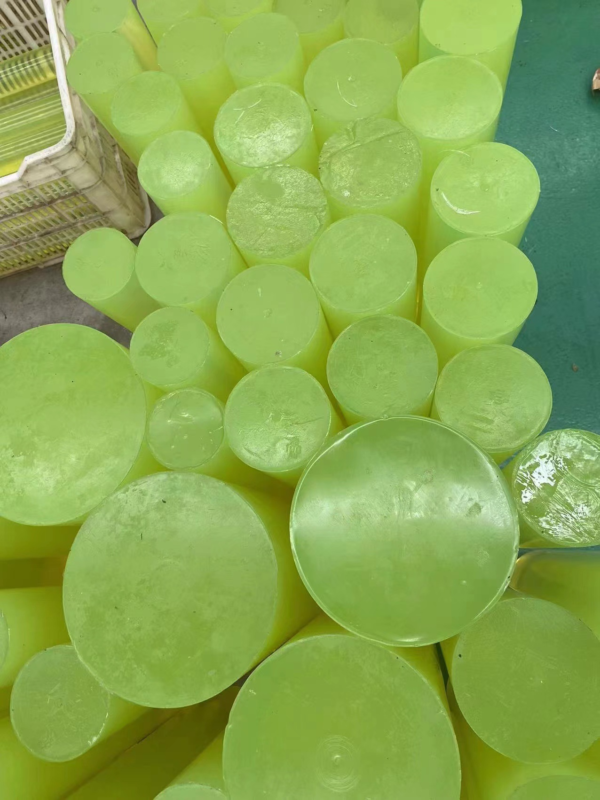
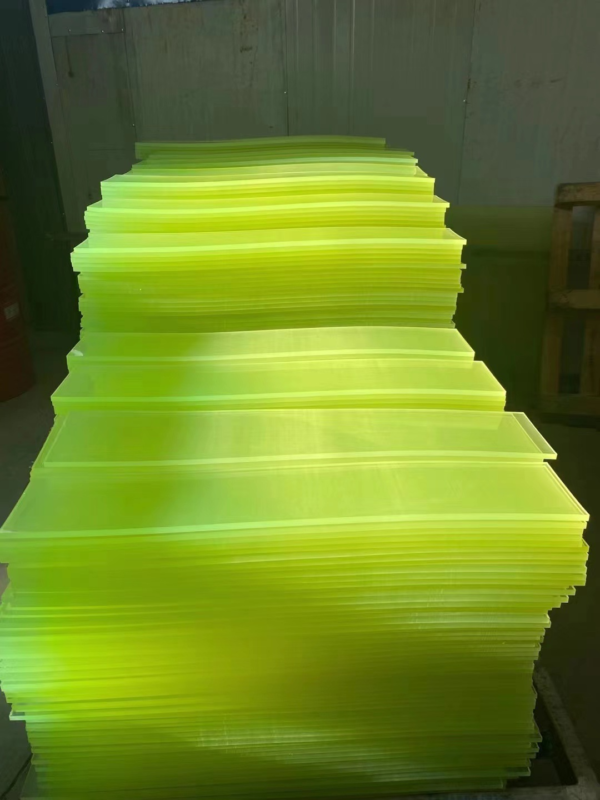
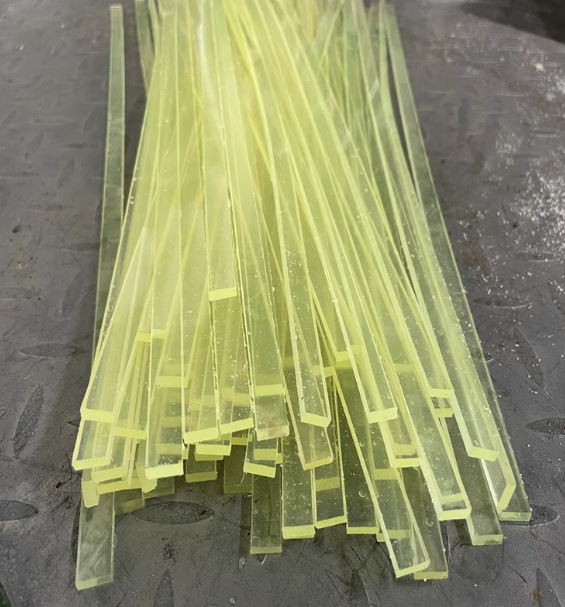
Appearance

Отзывы
Отзывов пока нет.